CTE Meaning and Effects What You Need to Know
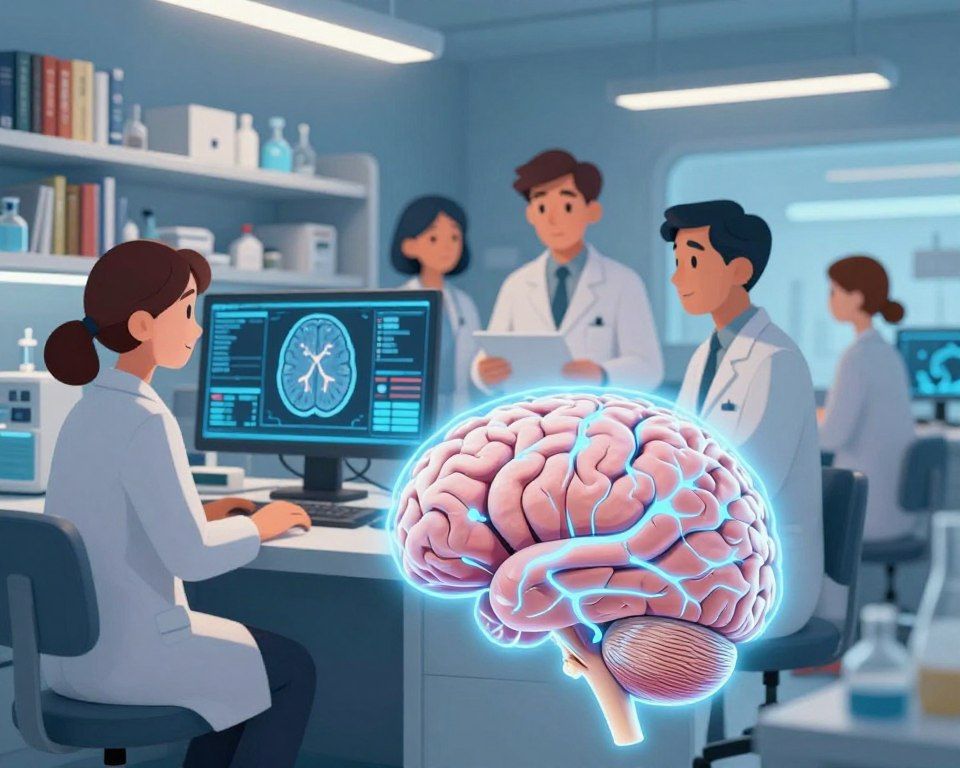
Knowing the cte meaning helps people learn about sports medicine and neurology. This CTE overview shows how repeated head impacts slowly damage brain tissue.
This complex condition affects professional athletes and people with frequent concussions.
We explore this topic through a detailed brain injury case study of Aaron Hernandez. His experience shows key physical brain changes, but it does not represent every athlete.
Individual outcomes vary significantly based on many factors.
This article links abnormal brain changes to their effects on daily life. We examine common symptoms, diagnostic challenges, and long-term risks from this condition.
These points help us understand the serious nature of head trauma in modern sports.
Key Takeaways
- Chronic Traumatic Encephalopathy involves the buildup of abnormal proteins in the brain.
- Repeated head impacts are the primary driver of this degenerative condition.
- The Aaron Hernandez case serves as a prominent example of post-mortem diagnosis.
- Symptoms often include mood swings, cognitive decline, and impulse control issues.
- Not every athlete who experiences head trauma will develop the same clinical profile.
Understanding cte meaning in Brain Injury Research
To understand the true cte meaning, scientists study long-term brain health. In brain injury research, experts call chronic traumatic encephalopathy a progressive brain disease.
At the microscopic level, researchers look for abnormal tau protein. Tau normally helps stabilize structures inside healthy neurons.
After repeated trauma, tau may misfold and clump together. These clumps disrupt normal brain function.
“The presence of tau pathology is a hallmark of the disease, yet it represents only one piece of a much larger and more complex biological puzzle.”
These protein deposits may spread through the brain over time. Scientists track them to learn how the disease moves from early stages to severe impairment.
Why research findings cannot predict one person’s future
It is vital to know that chronic traumatic encephalopathy research finds patterns across many people. It cannot predict one person’s path.
Studies link head impacts with protein buildup, but each brain reacts differently.
Genetics, age at injury, and overall health affect how symptoms appear. Research gives us a framework, but it cannot predict one person’s future.
| Research Focus | Population Data | Individual Outcome |
|---|---|---|
| Tau Protein | Identifies common patterns | Varies by person |
| Head Impacts | Shows statistical risk | Depends on resilience |
| Clinical Signs | Establishes trends | Unique symptom profile |
Ultimately, the cte meaning remains under study. Researchers study protein buildup to learn how brains respond to injury.
This helps them avoid broad guesses about individual futures.
Case Study: Aaron Hernandez and the Evidence Found After Death
This landmark case gave key insight into chronic traumatic encephalopathy and contact-sport risks. It showed severe damage in a young, high-performance athlete and warned about hidden risks.
Today, a definitive diagnosis requires a postmortem brain examination. Doctors must inspect brain tissue for the protein buildup linked to this disease.
Without this step, doctors cannot confirm the condition with certainty during life.
This process helps advance medical science. Researchers study deceased brains to track how repeated head impacts change brain structure over time.
This postmortem brain examination gives the scientific community its only gold-standard evidence now available.
What this case can and cannot prove about living athletes
One case cannot represent all athletes. The severe Aaron Hernandez CTE findings cannot predict every person’s health after head trauma.
Each athlete has a unique medical history and genetic background that shape long-term brain health.
The table shows differences between clinical observation and postmortem evidence:
| Method | Primary Goal | Certainty Level |
|---|---|---|
| Clinical Assessment | Symptom management | Probabilistic |
| Brain Imaging | Structural screening | Supportive |
| Postmortem Analysis | Definitive diagnosis | Absolute |
This case shows injury patterns, but broad claims need care. Individual experiences vary significantly, and researchers seek better diagnostic tools for living patients.
These limits help athletes and families stay aware while keeping realistic expectations about brain health.
How Repeated Head Impacts May Affect the Brain Over Time
When the brain faces repeated head impacts, it starts changes that may cause lasting harm. One concussion may seem separate, but many injuries can change the brain over time.
These events may harm cell function and slowly lower brain health.
Tau protein accumulation and neurodegenerative change
A main concern is the development of abnormal tau protein. Healthy tau proteins help hold neuron structures in place.
After major trauma, these proteins may fold wrong and clump together.
This abnormal tau protein buildup can spread through brain tissue. It may block messages between brain cells.
These tangles can cause neurodegenerative change and slowly harm thinking and movement. Damage may build quietly before a person or family sees signs.
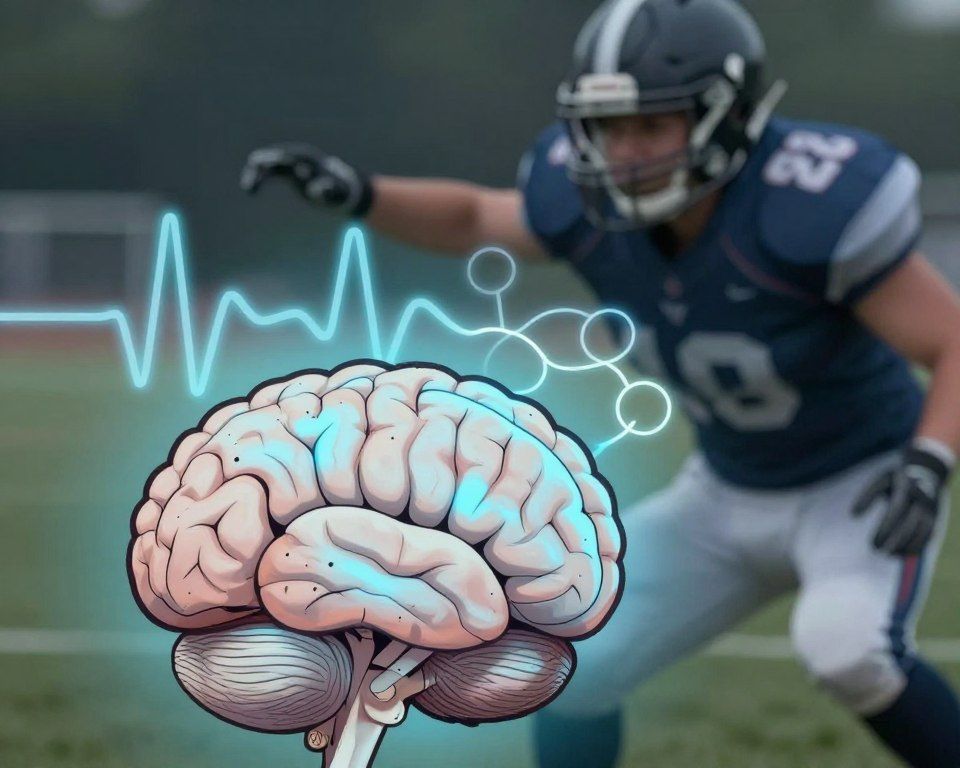
Why the number, force, and timing of impacts may all matter
Every injury is different; trauma details can shape long-term results. An athlete’s or person’s repeated head impacts depend on three key factors.
These are hit count, force, and time between events.
The brain needs time to heal from cell stress. If new impacts happen too soon, the risk of lasting structural damage rises.
See the table below for each factor’s effect on brain injury risk.
| Impact Factor | Low Risk Profile | High Risk Profile |
|---|---|---|
| Total Number | Infrequent exposure | Frequent, daily contact |
| Force Intensity | Low-velocity contact | High-velocity collisions |
| Recovery Timing | Extended rest periods | Rapid return to activity |
| Cumulative Effect | Minimal protein buildup | Significant tau accumulation |
Together, these factors shape how the brain responds to trauma, not just each jolt. Understanding that repeated head impacts trigger brain changes shows why long-term protection matters.
CTE Symptoms Across Mood, Thinking, and Physical Function
CTE signs can affect mood, thinking, and physical health after brain trauma. Clinical evaluation can find the true cause, since other conditions can cause these signs.
Irritability, impulsivity, depression, and anxiety
Many people report mood changes after head injury that affect daily life. These changes may include irritability, poor impulse control, depression, and anxiety.
Social withdrawal, aggression, and emotional instability
Emotional control may become harder over time. Aggression and emotional instability may lead to social withdrawal.
Memory loss, confusion, and impaired judgment
Cognitive decline may cause short-term memory loss and confusion during daily tasks. Poor judgment can affect personal and work decisions.
Difficulty concentrating, organizing tasks, and making decisions
Brain stress can harm executive function. People may struggle to focus, organize daily tasks, and make even basic decisions.
Balance problems, slowed movement, tremors, and speech changes
Physical signs are as important to watch as mental signs. They may include balance problems, slow movement, tremors, and speech changes.
Headaches, sleep disruption, and sensitivity to light or noise
Chronic headaches are common with CTE symptoms. Poor sleep can worsen fatigue, while light or noise may feel painful.
| Symptom Category | Primary Indicators | Impact Level |
|---|---|---|
| Emotional | Depression, Anxiety | High |
| Cognitive | Memory Loss, Confusion | High |
| Physical | Tremors, Balance Issues | Moderate |
| Sensory | Light/Noise Sensitivity | Moderate |
These mood changes after head injury do not prove one diagnosis. Many brain conditions share these signs, so assessment must check whether CTE symptoms explain them.
How Doctors Evaluate Suspected CTE in a Living Person
Doctors face challenges when checking CTE in living patients. Because tiny deposits are hard to see, a CTE diagnosis needs tests for thinking and feelings.
Neuropsychological testing for memory, attention, and executive skills
Special tests often start checks for cognitive decline by measuring memory, focus, planning, and problem-solving. Doctors compare scores with same-age people to find patterns that may show brain problems.
A neurological exam checks balance, tremors, and reflex changes that may show brain trouble. Psychiatric testing checks mood swings, depression, and impulsive behavior, and may rule out treatable mimics.
“The clinical assessment of a patient requires looking at the whole person, not just the symptoms. We must consider the patient’s history, their environment, and their specific cognitive challenges to provide the best possible care.”
The role and limits of MRI, CT scans, and other brain imaging
Modern brain imaging, like MRI and CT scans, finds structural problems, not tau buildup. Doctors use brain imaging to rule out tumors, strokes, or fluid buildup.
| Diagnostic Tool | Primary Purpose | Limitation |
|---|---|---|
| Neuropsychological Test | Assess cognitive function | Cannot confirm pathology |
| MRI Scan | Rule out structural damage | Cannot see tau proteins |
| Psychiatric Exam | Evaluate mood/behavior | Subjective interpretation |
Why current tests cannot definitively confirm CTE before death
Current science has no biomarker for a living CTE diagnosis. Doctors can confirm it only by examining brain tissue after death.
Doctors manage symptoms and protect quality of life instead of giving a final label. Clinical vigilance supports at-risk people as research continues.
Long-Term Risks Linked to Repeated Head Impacts
To understand head impacts, look beyond one diagnosis. Public attention often targets one condition, but the long-term concussion risks involve many factors.
Researchers study how these factors may affect neurodegenerative disease over time.
Physical health issues can make recovery after head trauma harder. Chronic pain and poor sleep can worsen thinking and emotional symptoms.
Without enough rest, the brain struggles to repair itself and may worsen past injuries.
Why severe behavioral symptoms should not automatically be attributed to CTE
It is vital not to link every behavior change to one cause. Severe mood swings or personality shifts can have medical, psychological, or social causes.
Blaming these issues only on neurodegenerative disease may hide treatable problems. These include depression, anxiety, or metabolic imbalances.
Age at first exposure, duration of participation, and recovery time
An athlete’s career timeline plays a key role in brain health. Research suggests these factors matter when assessing long-term concussion risks:
- Age at first exposure: Starting contact sports at a younger age may increase vulnerability.
- Duration of participation: The total number of years spent in high-impact activities correlates with cumulative exposure.
- Recovery time: Allowing the brain sufficient time to heal between impacts is crucial for minimizing lasting damage.
Genetics, overall health, and access to treatment
Biology also shapes how someone responds to head trauma. Genetics may affect resilience, while physical health, including cardiovascular fitness, may protect the brain.
Access to quality medical care can change the long-term outlook. Early intervention strategies may also help people at risk.
What the Aaron Hernandez Case Reveals About Diagnosis and Uncertainty
Aaron Hernandez’s case shows the limits of modern brain science.
Postmortem findings drew wide attention and showed lasting diagnostic uncertainty in neurology. One case cannot explain every person’s experience.
The limits of drawing conclusions from one athlete’s history
Using one famous example to define a condition can oversimplify medical facts.
Scientific evidence needs care because genes, lifestyle, and surroundings differ for each person. We cannot assume one athlete’s brain changes will happen in another athlete.
Also, diagnostic uncertainty challenges doctors who treat living patients.
Doctors cannot study a living brain as they study one after death. They must use symptoms, not clear physical signs.
This limit means we should not make broad claims from single postmortem reports.
The danger of stigmatizing people with brain injuries
Public discussion can add to athlete brain injury stigma.
When we reduce someone’s life to a possible brain condition, we miss their full story.
Clear, evidence-based words help us treat people with dignity, not as symptoms.
We should avoid labels that suggest a set outcome after head impacts.
More athlete brain injury stigma can stop people from seeking honest support.
We should help people discuss health concerns without unfair judgment or labels.
Reducing Exposure and Protecting Athletes After Head Injury
Reducing brain injury risk starts with smarter training and strict safety protocols. Using effective concussion prevention strategies helps protect every athlete’s long-term health.
Rest, gradual activity, and monitoring for symptom recurrence
After a head injury, the brain needs significant time to heal. Medical professionals recommend physical and cognitive rest before starting a structured return-to-play protocol.
This plan includes gradual activity, while the athlete slowly raises exertion under supervision. If symptoms return, the athlete must stop immediately and return to the previous recovery stage.
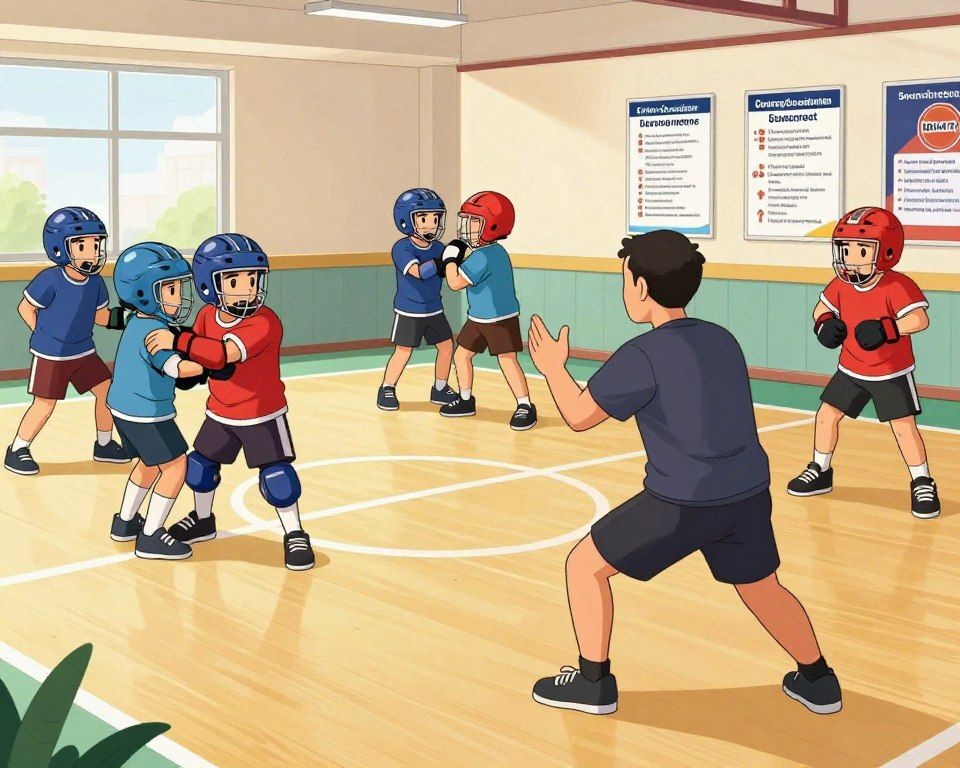
Pressure to compete can make players hide their symptoms. Hiding a head injury is dangerous and may cause severe complications, like second-impact syndrome.
“The greatest risk to an athlete is the belief that they can push through a brain injury without consequence.”
Prioritizing athlete concussion recovery ensures the brain heals fully before more contact. Returning too early significantly increases the risk of permanent damage.
Improving coaching techniques, rules, equipment, and contact limits
Organizations now use stricter rules to limit high-risk contact during practice. Coaches learn safer tackling techniques that reduce head-to-head collisions.
Limiting full-contact sessions each week can lower the cumulative impact on players. These structural changes support long-term concussion prevention across all levels of play.
Why helmets reduce some injuries but cannot prevent every concussion
Helmets are designed to protect against skull fractures and scalp cuts. Yet they cannot stop brain movement inside the skull after a sudden stop or impact.
Relying only on equipment creates false security. Proper athlete concussion recovery and behavior changes remain the best tools against lasting brain harm.
Support, Treatment, and Communication for People at Risk
Brain injury can make daily life hard, so special support is often needed. A multidisciplinary approach treats many symptoms, supports body and feelings, and may improve life.

Treating sleep problems, headaches, depression, anxiety, and substance use
Clinicians first treat clear symptoms that affect daily life. Sleep problems and chronic headaches need focused care, and Proper management can ease the burden.
Mental health care matters when moods change. Therapists use proven counseling to help with depression and anxiety.
Clinicians must watch for substance use. Some people may use alcohol or drugs to cope with lasting discomfort.
Using cognitive rehabilitation and structured daily routines
For people with memory or executive function problems, cognitive rehabilitation gives a clear path forward. This therapy uses repeated practice and helpful strategies to restore or replace lost skills.
It remains a key part of long-term care for people with brain problems.
A steady daily routine gives people stability and clear expectations. Smaller task steps can lower the brain’s workload.
Consistency helps people stay independent and feel less frustrated during recovery.
When to seek immediate help for suicidal thoughts or dangerous behavior
Safety comes first in every care plan. Families and caregivers should watch for distress signs, including sudden personality changes or hopeless words.
Adding suicide prevention brain injury protocols to care plans keeps help ready.
If someone talks about self-harm or acts dangerously, get emergency medical help at once. A crisis hotline or nearest emergency department can provide needed care.
Never ignore these warning signs. Professional support can save lives and help people regain stability.
Conclusion
Knowing the cte meaning helps athletes, families, and medical professionals. CTE shows how repeated head impacts can affect brain health.
Aaron Hernandez’s case shows post-mortem findings clearly. Yet, each person’s experience can differ greatly.
Medical science keeps changing how doctors diagnose these injuries in living patients. We must watch symptoms and prevent injuries to protect long-term wellness.
Knowing early CTE effects supports better care and support.
Open talks between players and doctors create safer contact sports.
If you notice mood or cognitive function changes, seek professional guidance immediately.
Early intervention and compassionate care help manage risks and improve quality of life.
FAQ
What does CTE meaning refer to in the context of brain injury research?
A: CTE stands for Chronic Traumatic Encephalopathy, a progressive brain disease found after repeated head trauma. Research links abnormal buildup of tau protein to tangles that slowly kill brain cells.The Boston University CTE Center studies how these brain changes match behavior and thinking symptoms.
What did the postmortem examination of Aaron Hernandez reveal about the disease?
After his death, Aaron Hernandez was diagnosed with Stage III CTE by Dr. Ann McKee. The findings showed major tau protein accumulation and brain atrophy seen in much older people.This landmark sports medicine case showed severe brain disease in a 27-year-old. Researchers warn that his case cannot predict every living athlete’s future health.
Can a living athlete be officially diagnosed with CTE?
Currently, doctors cannot definitively diagnose CTE in a living person. Doctors use neuropsychological testing, neurological exams, and MRI or PET scans to rule out other conditions.These conditions include Alzheimer’s disease and ALS. A confirmed diagnosis requires microscopic brain tissue testing after death.
What are the primary mood and cognitive symptoms associated with brain injury?
Symptoms fall into several groups. Cognitive issues include memory loss, confusion, and impaired judgment.Mood and behavior symptoms include irritability, impulsivity, depression, and aggression. Physical signs may include balance problems, speech changes, and chronic headaches.Other treatable conditions can also cause these symptoms, including sleep apnea and clinical depression.
Do concussions alone cause CTE, or are other factors involved?
Concussions are a concern, but research points to subconcussive impacts. These repeated head hits do not cause a full concussion.They may play a major role in tau protein buildup. The age at first exposure to contact sports affects long-term neurodegenerative risks.The total duration of participation and cumulative force of impacts also add to these risks.
How effective are helmets and equipment in preventing long-term brain injury?
Modern equipment from brands like Riddell and Vicis helps lower skull fracture and some concussion risks. However, helmets cannot prevent the brain from moving inside the skull after impact.Because CTE links to linear and rotational brain acceleration, equipment offers only part of the solution. Rule changes and contact limits in practice are considered more effective prevention strategies.
What role does genetics play in an individual’s risk for CTE?
Genetics may shape how the brain responds to trauma and clears abnormal proteins. Researchers study markers like the APOE ε4 allele.This marker raises Alzheimer’s risk. It may also raise athletes’ risk for severe outcomes after repeated head impacts.
What support is available for individuals experiencing symptoms of head trauma?
Care focuses on symptoms and better quality of life. It may include cognitive rehabilitation for executive function and structured daily routines.Medical care can treat sleep disruption and anxiety. For severe emotional distress, the Concussion Legacy Foundation offers resources and support networks.These networks connect families with specialized clinical care.