IONK Meaning in Text: Perfect Meaning Slang 2026
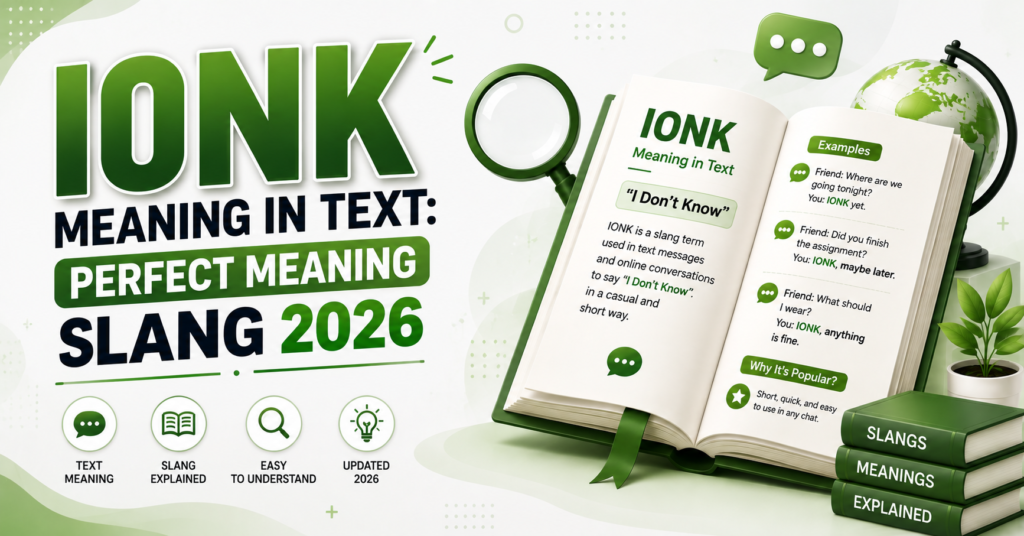
IONK is a popular slang term that shows up a lot in texts, DMs, and social media comments. It stands for “I don’t know,” used as a quick and casual way to express uncertainty. People often type it in lowercase, without punctuation, since it mimics how “I don’t know” sounds when said fast out loud.This term is especially common among Gen Z and younger internet users. You’ll spot it often on platforms like TikTok, Snapchat, and Instagram, where short and playful language is the norm. While IDK is the more traditional version, IONK feels newer, trendier, and adds a bit more personality to a message.Learning what IONK means can help you keep up with modern texting culture and avoid confusion in casual chats. It’s harmless slang, not something secretive or offensive, and it works best in relaxed conversations. Knowing terms like this makes it easier to understand and connect with today’s online communication style.
Definition & Meaning
IONK stands for “I don’t know.” It’s a casual, phonetic way of writing the phrase, spelling it the way it sounds when someone says it fast out loud instead of typing it out formally. People use it to show uncertainty, confusion, or a simple lack of information in a quick and breezy way.
A smaller, secondary meaning also floats around: “I only now know.” This version is used far less often, but some people use it to express a sudden realization about something. In almost every case, though, “I don’t know” is the meaning you should assume.
- Most common meaning: I don’t know
- Less common meaning: I only now know
- Tone: Casual, breezy, sometimes playful
Click Here To Read Another Topic
Slang moves fast, and IONK is just one small piece of a much bigger puzzle. If you enjoyed learning about this term, there’s a good chance you’ll run into other confusing abbreviations in your group chats soon too. Bookmark this site and check back for more slang breakdowns as new terms trend.
Background & History
IONK didn’t appear out of nowhere. It grew out of a much bigger trend of phonetic texting slang, where people spell words the way they sound rather than the way they’re formally written. This style became popular as messaging apps and social platforms pushed users toward shorter, faster replies.
IDK (“I don’t know”) has been around for decades and is still the most recognized version of this phrase. IONK is the newer, trendier cousin that gained traction through short-form video apps. As Gen Z looked for ways to sound more casual and less robotic, blending words phonetically became a fun alternative to standard acronyms.
The rise of platforms like TikTok, Snapchat, and Instagram sped up how quickly terms like this spread. A single video or trending sound can push a slang word into daily use within days.
Usage in Various Contexts
IONK isn’t limited to just one type of app or conversation. You’ll spot it in a variety of everyday digital spaces, including:
- Text messages between friends
- Instagram and TikTok comment sections
- Snapchat captions and chats
- Group chats and DMs
- Twitter/X replies
Here’s a quick example of how it looks in a real conversation:
Friend: “Where’s everyone meeting tonight?” You: “IONK, check the group chat!”
The tone stays casual across all these platforms, and it rarely shifts meaning depending on where it’s used.
Common Misconceptions & Clarifications
A lot of people assume IONK is a typo, a random string of letters, or even some kind of secret code. In reality, it’s neither confusing nor hidden once you know what it stands for.
Some common mix-ups include:
| Misconception | Clarification |
|---|---|
| IONK is a typo for something else | It’s an intentional phonetic spelling of “I don’t know” |
| IONK has a hidden or coded meaning | It’s a neutral, harmless slang term |
| IONK and “lonk” are different words | “Lonk” is usually just a typo of IONK |
| IONK always means uncertainty | It occasionally means “I only now know” |
Context clues in the conversation almost always make the intended meaning obvious.
Similar Terms & Alternatives
There are several other short forms people use to express the same basic idea. Some of the most common alternatives include:
- IDK – I don’t know (the classic, most widely understood version)
- Ion – I don’t (a shortened variation)
- Dunno – a spoken-style version, more common in speech than text
- IONK U – “I don’t know, you?” (turns the question back on the other person)
While these terms overlap in meaning, they each carry a slightly different tone and level of formality.
How to Respond to This Term
Replying to IONK is simple since it usually doesn’t need a complicated answer. A few natural ways to respond include:
- Offer your own guess or opinion if you have one.
- Suggest a way to find the answer together, like checking a group chat.
- Just move the conversation along with a related question.
- Reply with the same casual energy, like “same tbh” or “fr, no clue.”
Since IONK is such a lighthearted term, there’s rarely any pressure to give a serious or detailed reply.
IONK Meaning in Text Funny
Part of why IONK caught on is that it sounds a little goofy when you read it out loud. That playful, almost cartoonish rhythm gives it a humorous edge that a plain “IDK” doesn’t have.
People often pair it with laughing emojis or dramatic captions to boost the comedic effect, like:
- “IONK what to wear today 😭”
- “ionk why I did that lol”
- “ionk, ask the group chat, I’m just as lost 💀”
This funny tone is a big part of why younger users prefer it over more traditional abbreviations.
Regional or Cultural Differences
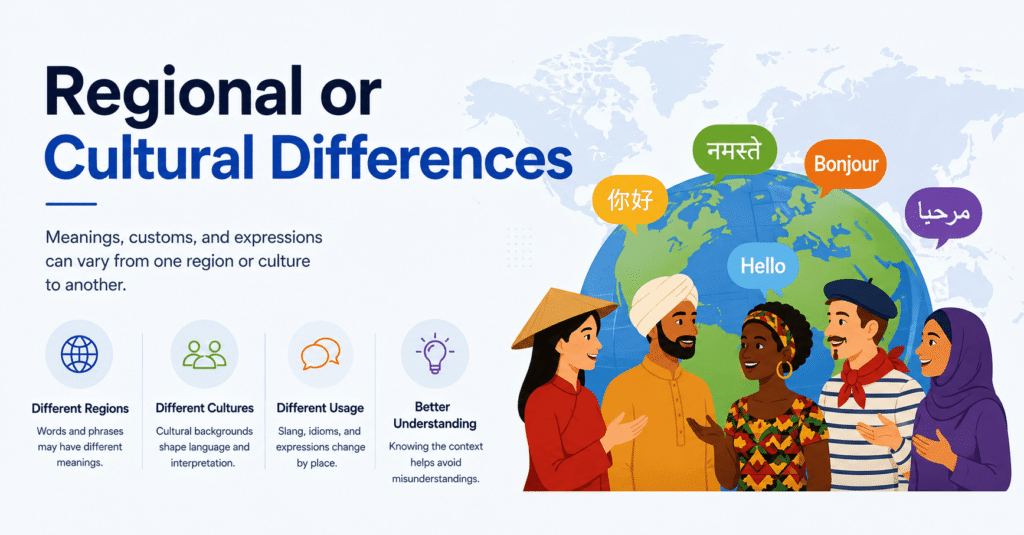
IONK is mostly popular among English-speaking online communities, especially in the United States and other Western, internet-heavy regions. Its spread depends heavily on exposure to global entertainment platforms and viral trends rather than any specific country or culture.
Generational differences matter more than regional ones here:
- Gen Z tends to use IONK regularly in casual chats.
- Millennials are more likely to stick with the classic IDK.
- Older generations may not recognize the term at all.
Comparison with Similar Terms
| Term | Meaning | Tone | Common Platforms |
|---|---|---|---|
| IONK | I don’t know | Playful, trendy | TikTok, Snapchat, texting |
| IDK | I don’t know | Neutral, widely understood | All platforms, all ages |
| Ion | I don’t | Casual, short | Texting, comments |
| IMK | In my knowledge / I’ll let you know | Soft, informative | Group chats, DMs |
| Dunno | I don’t know | Conversational | Speech-style texting |
The biggest difference between IONK and IDK comes down to tone. IDK feels neutral and standard, while IONK leans more playful and relaxed.
Usage in Online Communities & Dating Apps
IONK shows up a lot in casual online spaces where quick, low-effort replies keep the conversation moving. On dating apps, it’s often used to keep things light when someone asks a question that doesn’t need a serious answer, like plans for a first date or a random icebreaker.
In online communities and forums, IONK works similarly to a shrug emoji — it signals that the user doesn’t have a strong opinion or answer but still wants to stay engaged in the discussion.
Hidden or Offensive Meanings
There’s no widely recognized hidden or offensive meaning tied to IONK. It doesn’t carry sexual, violent, or discriminatory connotations in standard usage. Some people search for alternate meanings simply because the term looks unfamiliar at first glance.
As with any slang, tone and context can shift how a message feels, but IONK on its own is considered neutral and safe to use.
IOMK U Meaning
“IONK U” is a common variation you’ll see in texts and comments. It extends the base phrase, usually translating to “I don’t know, you?” It’s a quick way to admit uncertainty while immediately tossing the question back to the other person.
Example: “IONK u, what do you wanna do tonight?”
This version keeps a conversation flowing naturally instead of leaving it at a dead end.
Suitability for Professional Communication
IONK is not suitable for professional or formal settings. It works well in casual chats with friends, but using it in a work email or a formal message can come across as unprofessional or careless.
- Good for: texting friends, social captions, casual group chats
- Avoid in: work emails, client messages, academic writing, formal reports
If you’re unsure about a message’s tone, it’s safer to spell out “I don’t know” in professional communication.
What Does IONK Mean in Text and Why It’s Trending
IONK is trending because it fits perfectly into how younger users communicate today: fast, casual, and a little bit playful. Its phonetic spelling makes it feel more like talking than typing, which appeals to users who want their texts to feel natural rather than stiff.
Short-form video platforms have also played a big role. A single trending clip using the term can introduce it to millions of viewers, and from there it quickly spreads into everyday texting habits.
Origins and Evolution of IONK in Digital Communication
Like most modern slang, IONK developed gradually rather than being invented all at once. It’s part of a broader shift toward phonetic spelling in texting, where users write words the way they sound instead of following standard spelling rules.
This evolution mirrors older abbreviations like IDK, but adds a stylized twist that feels more current. As texting culture continues to favor speed and personality over formal grammar, terms like IONK are likely to keep multiplying.
How to Use IONK in Texting and Social Media
Using IONK correctly is simple once you get the hang of it. A few tips to keep in mind:
- Keep it lowercase for a casual, natural look.
- Skip the punctuation to match the relaxed tone of the term.
- Pair it with emojis or short follow-up comments for extra personality.
- Use it only in informal settings, like chats with friends or casual captions.
Example: “ionk lol, ask someone else”
Common Misunderstandings About IONK
Because the word doesn’t look like a typical acronym, plenty of people misread it the first time they see it. Some assume it’s a typo, while others think it might stand for something more complicated or even inappropriate.
In reality:
- IONK almost always just means “I don’t know.”
- It’s not offensive or secretive.
- The surrounding context in a message usually clears up any confusion right away.
Ionk Meaning in Text Urban Dictionary
On Urban Dictionary and similar slang resources, IONK is generally defined the same way it’s used in everyday texting: a casual, phonetic version of “I don’t know.” Definitions on crowdsourced sites can vary slightly since anyone can submit one, but the core meaning stays consistent across nearly every listed entry.
IONK vs Other Popular Abbreviations
IONK sits in a family of short forms that all point toward uncertainty or limited information. Here’s how it stacks up:
| Abbreviation | Full Meaning | Difference from IONK |
|---|---|---|
| IDK | I don’t know | More neutral, used across all age groups |
| IMK | In my knowledge | Shares partial information instead of none |
| AFAIK | As far as I know | More detailed, slightly more formal |
| Ion | I don’t | Shorter, can be used in more phrases |
Regional and Cultural Popularity of IONK
IONK’s popularity leans heavily on internet culture rather than a specific geographic region. It spreads through global platforms, meaning English-speaking users across different countries pick it up around the same time once it starts trending.
That said, its use is still strongest in youth-driven online spaces, particularly among users who are active on TikTok, Snapchat, and Discord.
IONK in Gaming and Online Communities
In gaming chats and voice-adjacent text platforms like Discord, IONK is a handy way to admit you don’t have an answer without breaking the pace of the conversation. It’s common in situations like:
- Answering a teammate’s question about strategy
- Reacting to a game update or patch note
- Casual banter in server chats
Its short length makes it easy to type quickly during fast-paced gameplay.
Professional Suitability and Proper Usage
As mentioned earlier, IONK should stay out of professional communication. In formal settings, spelling out “I don’t know” or using a more polished phrase like “I’m not certain” comes across as more respectful and clear.
Save IONK for texts, casual social captions, and conversations with people who already understand internet slang.
Conclusion
IONK is a fun, modern way of saying “I don’t know,” built for the fast, casual pace of texting and social media. It’s harmless, easy to use, and works best among friends rather than in professional settings. Now that you know the meaning, history, and proper context for using it, you’ll never have to wonder what it means again the next time it shows up in your messages.